
Kim connects Dash's credit-card beginnings to her billion-dollar empire on The Kardashians
-
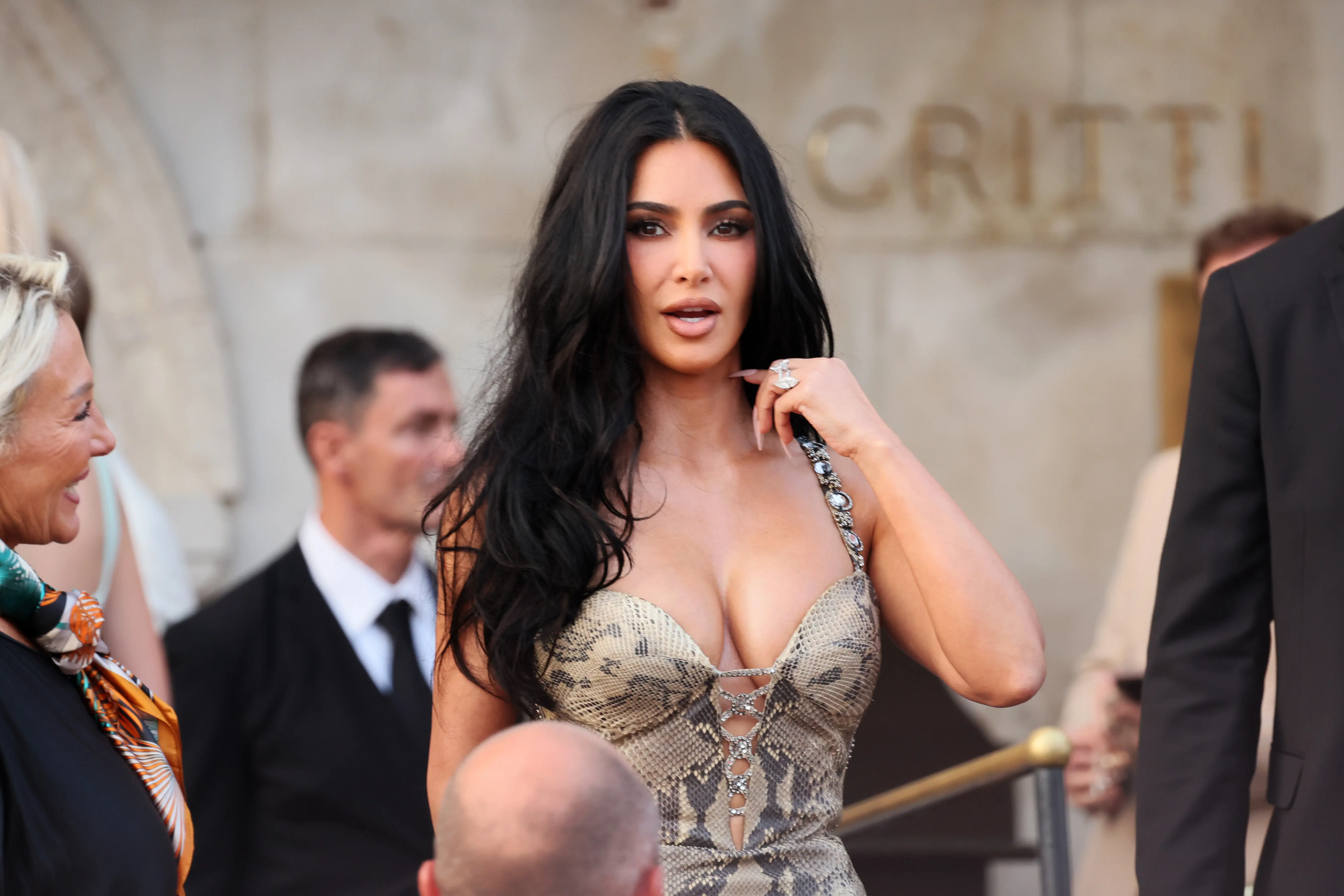 Kim Kardashian (Image via Getty)
Kim Kardashian is drawing a straight, unbroken line between the early financial strain of launching Dash and the global business stature she commands today, linking the two on The Kardashians as she revisits the boutique’s credit-card origins.
Speaking in conjunction with her recent MasterClass — and reflected again in scenes on The Kardashians — Kim explains how the storefront that once strained her family’s limited credit became the unlikely foundation for a billion-dollar empire.
Dash’s early hardships resurface on The Kardashians
According to People, Kim said the sisters secured their very first credit card only in Kourtney Kardashian’s name because, as she put it, “we were able to get a credit card, first solely in Kourtney’s name because she had the best credit.”
She recounted how Dash began with little more than inherited funds from their father, Robert Kardashian, and a willingness to commit beyond their means.
Kim explained that vendors demanded full payment up front because the sisters did not yet have a reputation for “being able to pay vendors back on time.”
The financial fragility was plain. Kim said,
“We would pay just the minimum every month when the credit card bill would come,” admitting, “This is probably the worst advice because you probably should be paying your credit card bill off, but we just didn’t have the money.”
Page Six likewise confirmed the account, noting that Kim linked these early strains to the later discipline she developed while building her businesses.
Those early years became interwoven with the narrative of Keeping Up with the Kardashians, where Dash featured prominently in the show’s earliest seasons.
The boutique served as both a literal and narrative workplace: unpacking shipments, arranging displays, and learning the rudiments of retail in front of a new television audience.
That visibility expanded when Dash opened in Miami and New York, with both ventures documented in the spinoffs Kourtney and Kim Take Miami and Kourtney and Kim Take New York.
By 2015, Dash Dolls premiered as yet another expansion, this time following the employees responsible for operating the store when the sisters were away.
The franchise had grown beyond the small Calabasas shop, but its demands intensified as their lives became more complex.
In 2018, Kim announced publicly that the Dash stores would close. People reported her statement at the time:
“After nearly 12 years, my sisters and I have decided to close the doors of our DASH stores. We opened our first store as a family in 2006, and since then, we have made so many lifelong memories.”
She added that they had each “grown so much individually” and were now balancing their own brands with motherhood.
By then, Dash had served its purpose; it had given shape to the first era of their entrepreneurship, and it had done so within the formative years of Keeping Up with the Kardashians.
On The Kardashians, Kim now frames that era with the clarity of hindsight. The credit-card dependence that once felt precarious now appears, in her telling, as the slow apprenticeship that shaped her instincts in later ventures.
The contrast is sharp when measured against SKIMS, which Bloomberg and Fortune reported was valued at $3.2 billion in 2022 and, following a late-2025 funding round, approximately $5 billion.
The shift from minimum payments on a boutique inventory to managing one of the most valuable apparel brands in the world offers the kind of narrative arc that The Kardashians has grown increasingly comfortable exploring: the transformation of early vulnerability into institutional success.
But Kim does not portray Dash merely as a stepping stone. On The Kardashians, she presents the story as a reminder of how much the family did not know at the start — how much of business depends upon the willingness to confront difficulty without any certainty of reward.
Her remarks echo a sentiment recognizable in the cadence of lived experience: a retrospective understanding that the lessons most deeply held are those that arrive unexpectedly, often in scarcity.
Dash’s origins also reveal the interpersonal dimension of the sisters’ earliest business decisions. Kourtney’s creditworthiness made the store possible.
Kim’s eventual brand leadership emerged from habits formed during those unpredictable months.
Khloé’s continued presence at the store helped define its tone and culture. These recollections on The Kardashians present Dash as the first workshop in which the trio learned how to trust one another’s strengths and compensate for their weaknesses.
As The Kardashians continues chronicling the family’s present lives, its periodic returns to the past serve as a counterpoint — a reminder that even for the most visible figures, progress is rarely sudden.
Dash’s history, once captured on E! and now retold on Hulu, stands as the opening chapter of Kim’s business story, a chapter she now threads directly into her broader empire.
The Kardashians streams on Hulu, with new episodes exploring both the family’s ongoing ventures and the early paths that led them there.
Stay tuned for more updates.
TOPICS: The Kardashians, Kim Kardashian, Kourtney Kardashian
- Khloe calls bible return 'holy reunion' after Kim snags it at auction on The Kardashians
- The Kardashians star Kim shares a new behind-the-scenes look at her hangout with Britney Spears
- What items made it onto The Kardashians' Kris Jenner's holiday gift guide? Details explored
- Meet the Kardashian-Jenner grandkids: An updated family guide