
Why is Diddy appealing his sentence and targeting Judge Arun Subramanian? Details explored
-
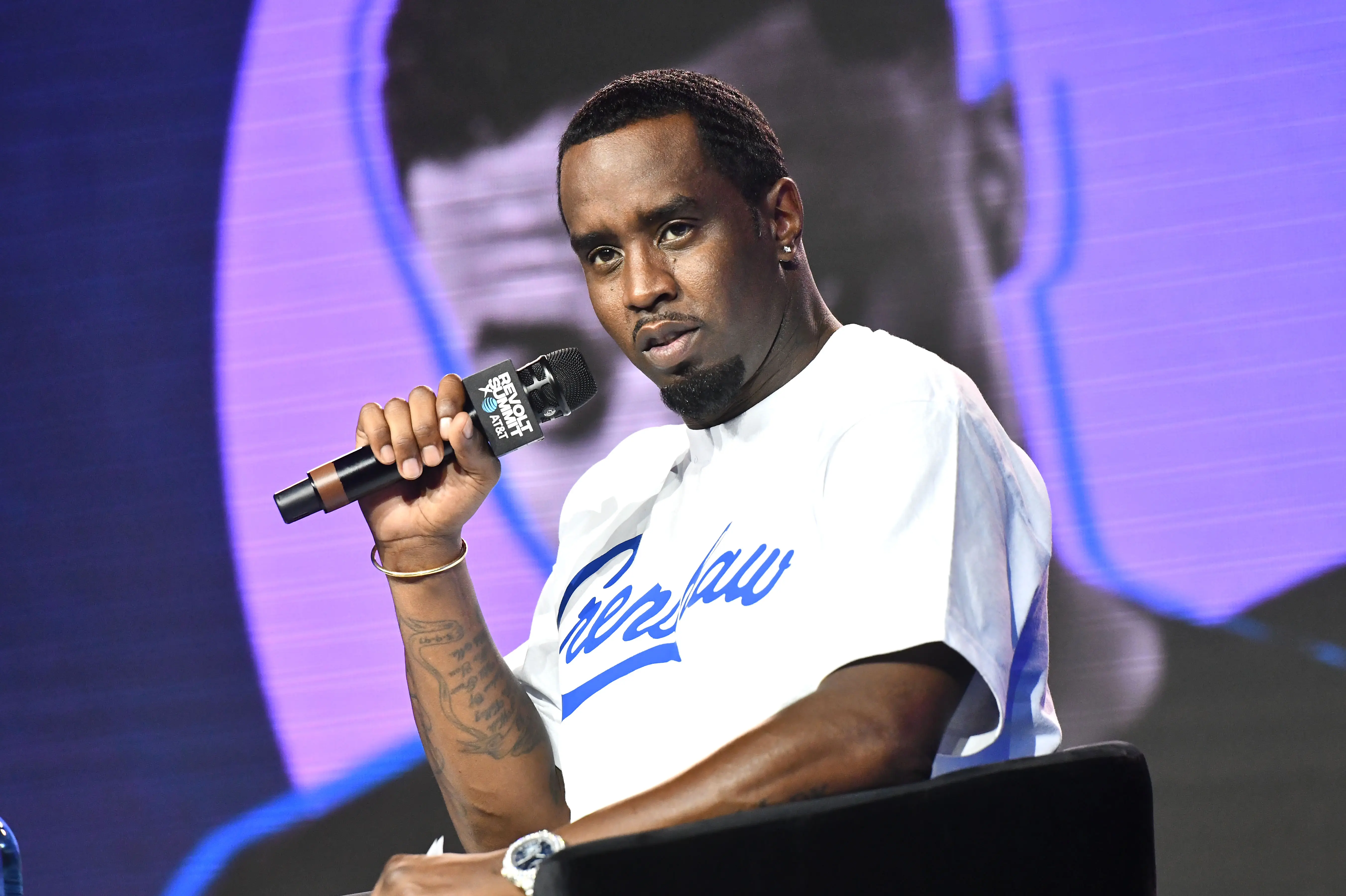 Why is Diddy appealing his sentence and targeting Judge Arun Subramanian? Details explored (Photo by Scott Dudelson/Getty Images)
Diddy's legal team is openly challenging Judge Arun Subramanian, claiming his 50-month sentence overstepped judicial boundaries and suggested a role more aligned with a juror than a judge.
This time around, their argument paints the judge as stepping into a space meant for jurors, not someone overseeing fairness in court. Filed late Tuesday, the newest request wants the guilty verdict erased, aiming either for freedom sooner or at a minimum, a reduced sentence.
Unlike prior appeals, this latest filing specifically targets Judge Subramanian, accusing him of acting as a 'thirteenth juror' during Diddy's criminal trial.
Appeal argues judge relied on acquitted charges to impose Diddy's 50-month sentence
Attorneys for Sean "Diddy" Combs are escalating their challenge to his 50-month prison sentence, arguing in newly filed appeal documents that the judge relied on accusations a jury had already rejected. Lead appellate lawyer Alexandra Shapiro emphasizes the ruling was shaped by conduct tied to racketeering and s*x-trafficking accusations from which Combs was acquitted, calling the approach "draconian" and unconstitutional, as reported by TMZ.
According to Shapiro, during proceedings, attention turned to statements by Judge Subramanian implying Sean "Diddy" Combs might yet be linked to matters outside his current conviction. Though no judgment exists on these points, Shapiro, observing legal trends, stressed how including them may undermine protections built into law for individuals accused of crimes.
According to TMZ, Shapiro claims that when there isn't proof, treating someone as if they're guilty of more than what was decided in court can undermine basic fairness. One must consider whether referencing unproven behavior shifts the trial's balance unfairly. Accusations without proof may shift outcomes unfairly, distorting the purpose of fair procedure. Once that line is crossed, public perception changes - even if the verdict doesn't. These safeguards exist because assumptions shouldn't carry the same weight as actual findings.
Only two Mann Act violations remain legally valid, specifically concerning the movement as transport of individuals for pr*stitution, yet clarification follows that Combs did not organize the travel logistics or payments at the center of the case.
The appeal now awaits a response from federal prosecutors in the coming months, after which the matter will move forward to the appellate court for review.
Keep reading PRIMETIMER for more informative content!
TOPICS: Diddy
- “I’ve been to Puffy’s house”: Dave Chappelle reveals Diddy’s bizarre question at a party, jokes missed “my big chance to f*ck Cassie”
- “Unethical and unacceptable” - Diddy’s videographer brings latest updates to footage dispute regarding Netflix’s Sean Combs: The Reckoning
- "I'll wear that": 50 Cent responds to 'petty' accusation over Sean 'Diddy' Combs' Netflix documentary
- Who is Mia Sorety ? Alleged Sherrone Moore Diddy party claim explored in wake of viral tweet resurfacing