
SpaceX expands Starlink network with successful Falcon 9 launch
-
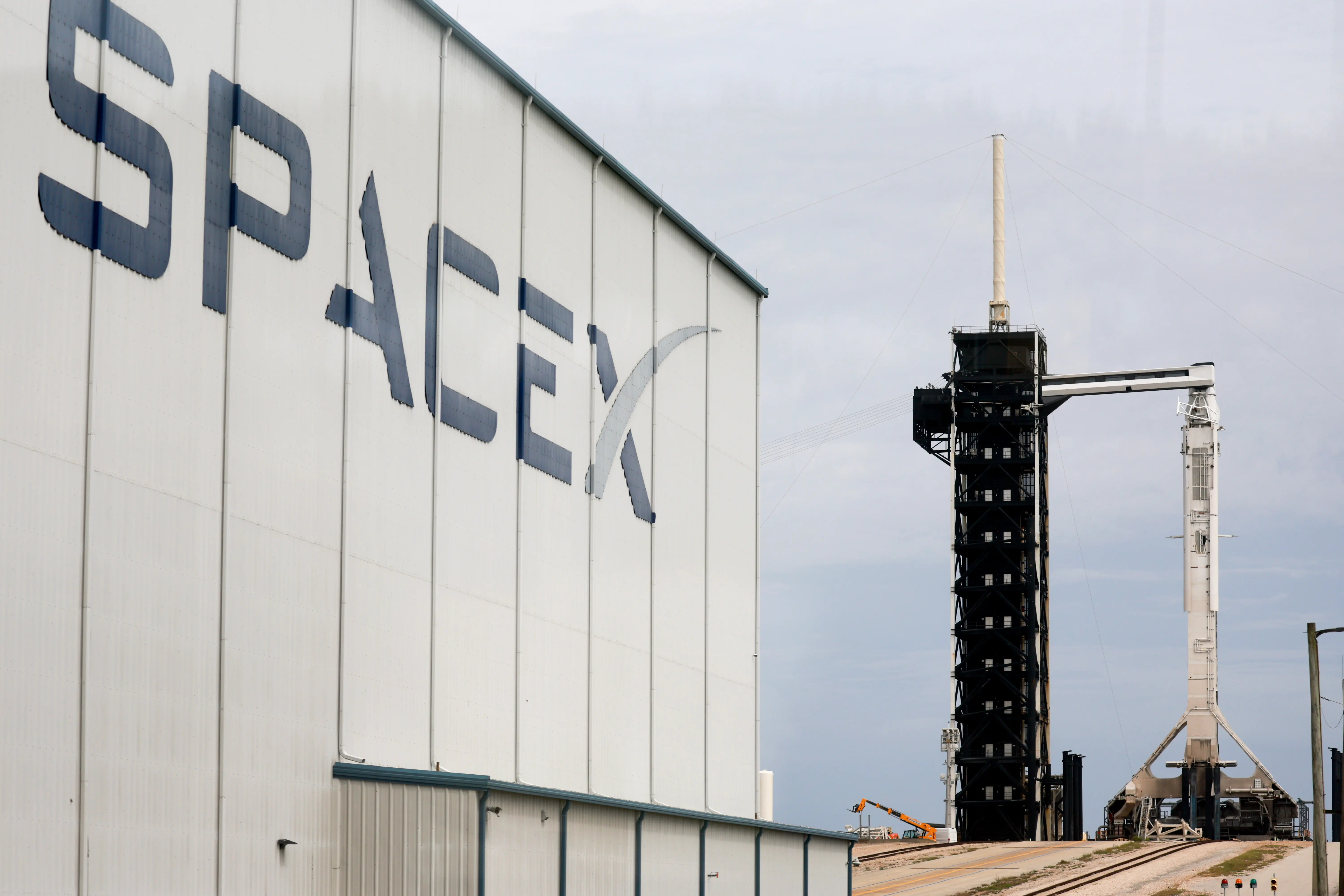 SpaceX's Polaris Dawn Falcon 9 rocket (Image via Getty)
SpaceX Starlink launch continued the company’s steady pace of missions for 2025. On Dec. 11, a Falcon 9 rocket lifted off from Space Launch Complex 40 at Cape Canaveral Space Force Station in Florida.
The rocket carried 29 Starlink satellites, listed as Group 6-90. SpaceX confirmed that the satellites reached Earth orbit about eight and a half minutes after liftoff at 5:01 p.m. EST.
The mission added to the growing Starlink network, which now includes more than 10,000 satellites, with over 9,100 active.
The first stage booster, B1083, completed its 16th flight and landed on the droneship “Just Read the Instructions” in the Atlantic Ocean. Previous missions for this booster include Crew-8, Polaris Dawn, CRS-31, and several commercial and Starlink flights.
This launch was SpaceX’s 161st Falcon 9 flight of the year and the 606th SpaceX mission overall. It also marked the 300th attempt at an orbital launch worldwide in 2025, according to Next Spaceflight.
The company says Starlink service supports underserved regions, airline WiFi, and early cell-to-satellite links. The satellites were set for deployment about one hour after launch, continuing SpaceX’s schedule of near-daily missions across 2025.
How does the mission fit into global launch activity and SpaceX’s 2025 schedule?
SpaceX said the Falcon 9 placed the Starlink satellites into “the planned orbit,” and mission data showed a smooth ascent. One update from the team stated, “Deployment is on track for about one hour after liftoff.”
The steady performance of Booster 1083 added to SpaceX’s reuse record. The booster landed on the droneship with what the company called a “precise touchdown,” showing the ongoing use of recovery systems that support rapid turnaround.
The Starlink network continues to expand as new launches add to the megaconstellation. SpaceX noted, “The service now includes more than 9,100 active satellites,” and the company has said this scale helps support broader internet coverage.
Starlink is used for home service, mobile use, aviation links, and test programs for direct-to-cell service.
This mission also fits within a broader global trend of high launch activity in 2025. Data from Next Spaceflight listed this flight as the 300th orbital attempt worldwide this year, which reflects growing launch rates across commercial and national agencies.
SpaceX alone has completed 161 Falcon 9 missions in 2025, which the company says is possible through rapid booster recovery and high production capacity. The next Starlink missions are positioned to follow at a similar pace.
Information released by SpaceX on the flight path, landing, and Starlink capacity
The Dec. 11 launch added one more batch of satellites to the expanding Starlink system. SpaceX reported that the spacecraft separated from the Falcon 9 second stage as planned.
A mission update said, “All systems performed as expected during ascent,” confirming nominal conditions during the flight.
The launch carried 29 satellites, listed as Group 6-90, which will join the current operational set providing broadband service around the world.
Booster B1083 completed its 16th mission and returned to the droneship.
Earlier flights for this booster include crewed missions, commercial flights, and multiple Starlink deployments.
SpaceX shared that reuse helps reduce time between missions and supports the company’s goal of frequent launch operations.
The droneship “Just Read the Instructions” was positioned in the Atlantic Ocean for this recovery.
The mission also reflected the ongoing development of space-based communication. Starlink supports internet access in areas that lack ground networks, and the company has expanded into aviation and early direct-to-cell services.
With more than 10,000 satellites launched to date, Starlink forms one of the largest satellite systems in history.
SpaceX plans to continue adding satellites through regular Falcon 9 missions, maintaining a launch rate that aligns with the company’s schedule for the year.
____________________________________________________
Stay tuned for more updates.TOPICS: Astronomy, Cape Canaveral Space Force Station, space x, SpaceX Falcon 9, SpaceX Falcon 9 NROL-77 launch time
- New image reveals comet 3I/ATLAS emerging from behind the Sun over Egypt
- NASA’s new X-ray technique reveals how supermassive black holes shape galaxy clusters
- A guide to tonight’s night sky, including how to find Lacerta and other seasonal constellations
- James Webb Space Telescope spots mysterious twin helium tails streaming from a distant hot Jupiter