
Where was 9-1-1: Nashville filmed? All filming locations revealed
-
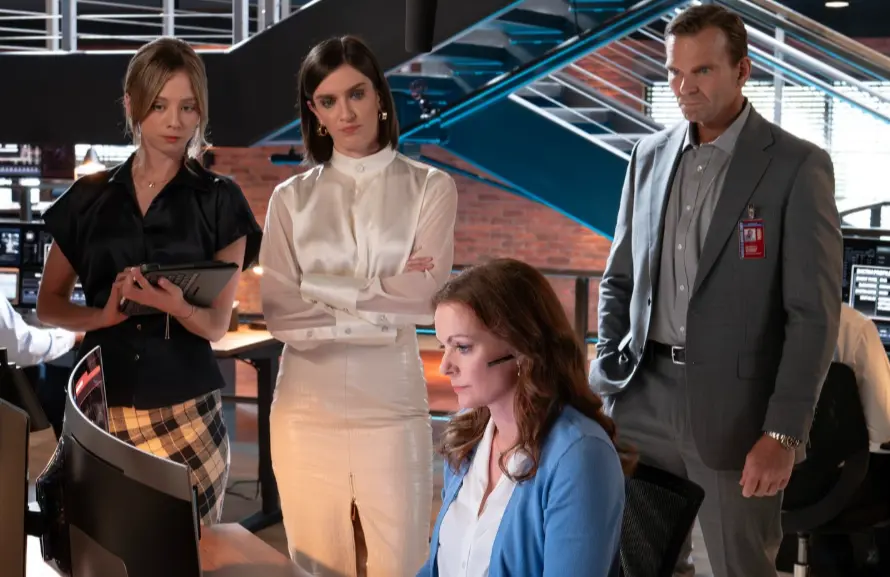 9-1-1 Nashville airs on ABC (Image via Instagram/@911nashville)
9-1-1: Nashville brings the franchise into new territory by filming directly in Tennessee and showcasing real locations across the state. Unlike 9-1-1: Lone Star, which portrayed Austin while primarily shooting in Los Angeles, this spinoff grounds its action in authentic Nashville settings, from major landmarks to local neighborhoods.
Production is centered in the city, with Station 113’s firehouse built inside a warehouse in the Chestnut Hill area and additional facilities housed at the Track One building in Wedgewood-Houston. The series features high-profile backdrops such as Ascend Amphitheater, Printer’s Alley, Bridgestone Arena, Centennial Park, the Union Station Hotel, and the historic Marathon Motor Works site.
Filming expands beyond Nashville as well, with an upcoming episode set to be shot in Knoxville, marking one of the city’s largest productions. Together, these locations give the series a distinctly Tennessee identity while boosting regional tourism and economic impact.
All filming locations of 9-1-1: Nashville
Ascend Amphitheater
Ascend Amphitheater appears in the premiere as a tornado strikes during Kane Brown’s concert, turning the outdoor venue into a dangerous disaster zone. The collapsing stage trusses and debris create one of the season’s first major rescue sequences. Station 113 responds as fans and crew are trapped by fallen structures along the Cumberland River, using the real landmark’s open-air layout to heighten the urgency.
Printer’s Alley
Printer’s Alley provides the backdrop for Blue Bennings’ side job as “Captain Smokeshow” at an adult revue tucked inside the historic strip. The surrounding nightlife becomes part of the chaos when a bachelorette party’s pedal cab crashes nearby on Second Avenue. Bennings steps in to save the bride-to-be, making the downtown corridor a key early location for character-driven and emergency-based moments.
Music City Rodeo at Bridgestone Arena
Bridgestone Arena hosts the fictional Music City Rodeo, where Captain Hart and his son Ryan compete in team roping. The rodeo setting becomes emotionally charged as their strained relationship plays out in the middle of the event. The arena’s large, high-energy environment supports both personal drama and high-stakes action, marking it as a central Nashville landmark used prominently in the opening episodes.
Centennial Park and the Parthenon
Centennial Park is featured when a child’s birthday turns dangerous as strong winds lift a young girl into the air while she’s holding a kite. The Parthenon serves as a dramatic visual anchor as family members form a human net while first responders race to the scene. The park’s open layout and iconic structures make the rescue visually dynamic and tied closely to real Nashville scenery.
Union Station Hotel
The Union Station Hotel’s grand lobby appears in episode two when a heartbroken groom checks into the honeymoon suite after a failed wedding. His emotional detour leads him on a scooter ride across Broadway, passing well-known landmarks before a tornado sweeps him onto the Marathon Motor Works water tower. The hotel’s historic architecture adds a dramatic tone to the setup of this rescue storyline.
Marathon Motor Works water tower
The historic water tower at Marathon Motor Works becomes the site of a dangerous rescue when a tornado impales a man on the railing at its top. Station 113 responds amid lightning and increasingly unstable winds that threaten to bring the structure down. The crew works against time to free him safely, using the industrial setting’s height and age to intensify the sequence.
Chestnut Hill Firehouse set (Station 113)
Station 113’s main firehouse is filmed inside a warehouse in Nashville’s Chestnut Hill neighborhood. The space serves as the series’ core base of operations, hosting character interactions, training moments, and scenes that bridge major emergencies. Using an actual local warehouse gives the production a grounded visual style and reinforces the show’s commitment to filming in real Tennessee locations rather than relying on Los Angeles sets.
Track One Building in Wedgewood-Houston
The Track One building in the Wedgewood-Houston arts district serves as a major production hub for the series. The facility houses sets, crew spaces, and support areas essential for filming ongoing episodes. Its local industrial layout fits the show’s aesthetic and allows production to remain rooted in Nashville. A large construction permit highlights the scale of the operation and underscores the show’s long-term presence in the neighborhood.
Broadway, Second Avenue, and Downtown Nashville
Downtown Nashville’s busiest areas—Broadway, Second Avenue, and nearby entertainment corridors—appear throughout the early episodes. These streets host the runaway pedal tavern incident, the scooter ride sequence, and establishing shots highlighting bars, music venues, and historic sites. Using real downtown locations helps ground the series in Nashville’s recognizable culture, giving the emergencies a believable backdrop tied to the city’s tourist-heavy environment.
Knoxville filming locations for the upcoming episode
Production will expand to Knoxville for an upcoming episode, marking one of the city’s largest television shoots. While exact locations remain unannounced, the Visit Knoxville Film Office confirms that filming will take place this fall and air during the season. The expansion showcases Tennessee’s broader filming potential and continues the franchise’s commitment to using real statewide locations instead of relying on out-of-state soundstages.
Catch 9-1-1: Nashville on ABC.
TOPICS: 9-1-1: Nashville
- What role did Adhir Kalyan play on 9-1-1: Nashville? Everything to know about his character
- 9-1-1: Nashville season 1 episode 6: Release date & time, where to watch and what to expect
- How to watch 9-1-1: Nashville online? Streaming options explained
- 9-1-1: Nashville season 1 episode 5: Release date & time, where to watch, and what to expect