
Why did Agent quit his 24-hour survival stream in the Arctic after just 10 hours? Streamer explains safety concerns
-
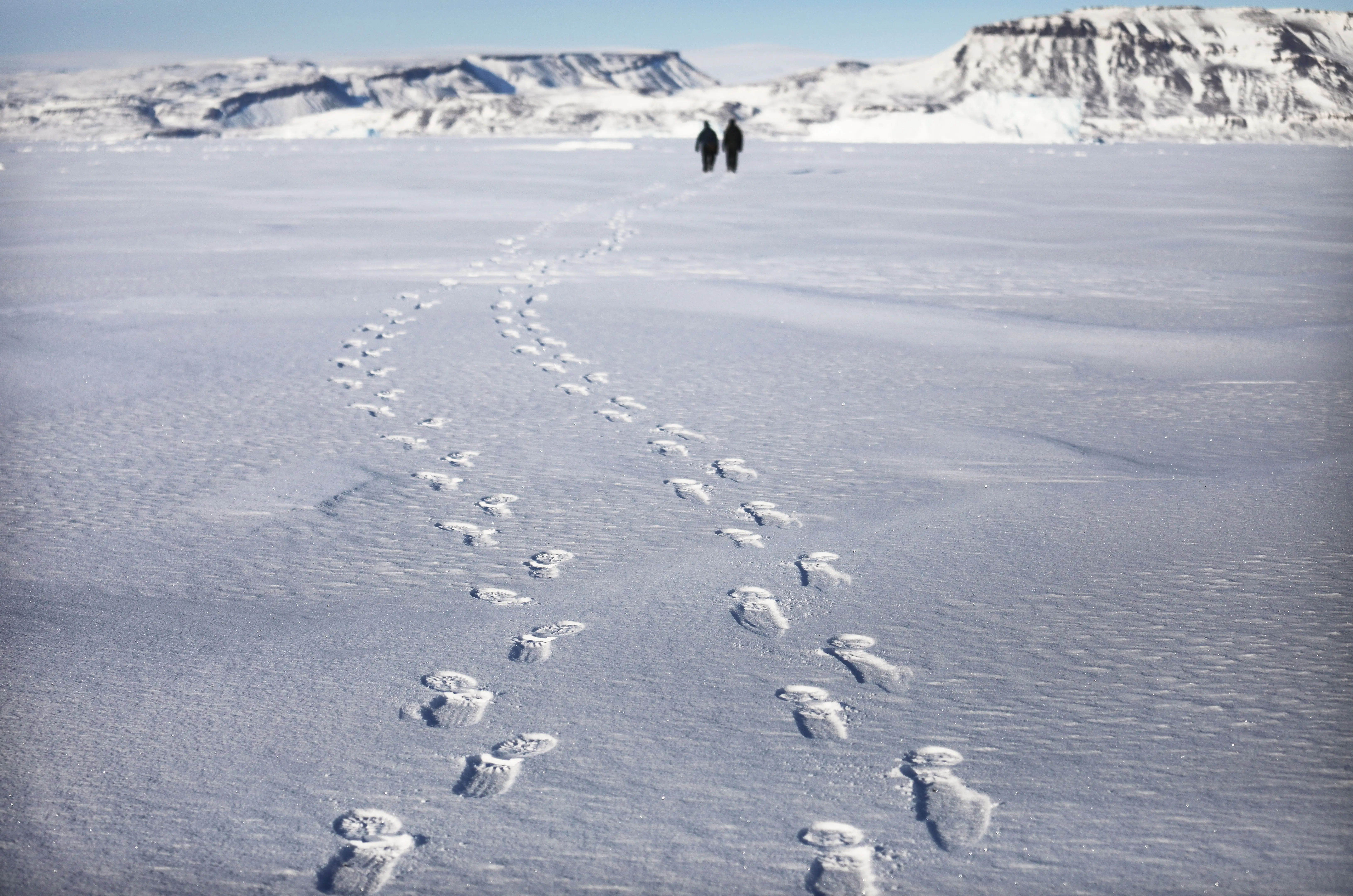 (Photo by Mario Tama/Getty Images)
Livestreamer Agent recently took on a challenge to spend 24 hours outdoors in the Arctic. However, unlike his past challenges, he wasn't able to see this one through for more than ten hours.
Agent quits his 24 hour survival stream in the arctic after 10 hours, saying it’s one of the hardest things he’s ever done in his life ❤️
— ryan 🤿 (@scubaryan_) December 24, 2025
- He’s been dealing with -25 to -40 degrees since he arrived.
pic.twitter.com/tqyhIxmdq8Per a clip from his latest livestream uploaded on X, here's what the streamer said about his decision to step back from the challenge:
"I think I came here very underprepared, and as much as I would love to thug out the cold, what I'm more disappointed by is the fact that I don't know who could show up at night... But, being out in the open, where a knife is defense, and like anybody could show up all night while I'm trying to sleep is like setting myself up."
Towards the end, Agent recalled the challenges he took up in his previous livestreams, such as weight loss and game marathons, noting that none of them had been as "hard" as this one.
The caption of the tweet claimed that the temperatures in the Arctic were down to -25 to -40 degrees.
Polar Bears have found a new adaptation to survive in the warming Arctic
Polar bears are one of the largest carnivorous mammals on land, weighing up to 680 kg, and are native to the Arctic Circle.
— شبل (@abtsamt12) April 4, 2023
This bear was smart as he distributed his body crawling so that the ice would not break him and cross safely pic.twitter.com/lBTq6y0Ke3While the temperature in the Arctic might be too high for humans like Agent to survive, it's not nearly enough for polar bears. NBC News reported that species are being compelled to adapt to the changing climate of the Arctic region, which has been rapidly warming in recent years.
Earlier this month, a team from the University of East Anglia in Britain published research into the polar bears' changing lifestyle. Alice Godden, the lead author behind the study, told the media outlet how polar bears were expected to go extinct within the 21st century.
Their paper compared the blood sample analysis of polar bears from the northeastern and southeastern regions of Greenland. The comparison highlighted that the genes of southern bears behaved differently with regard to heat stress, metabolism and aging than those of northern bears.
"Essentially this means that different groups of bears are having different sections of their DNA changed at different rates, and this activity seems linked to their specific environment and climate."
The primary concern posed by warming temperatures for polar bears is food scarcity. Because they no longer have access to their primary food source, these bears have to subsist on a plant-based diet at times. This has led to genetic changes in their digestive system.
TOPICS: Agent