
Pete Waterman's scandals resurface ahead of his role in Simon Cowell: The Next Act
-
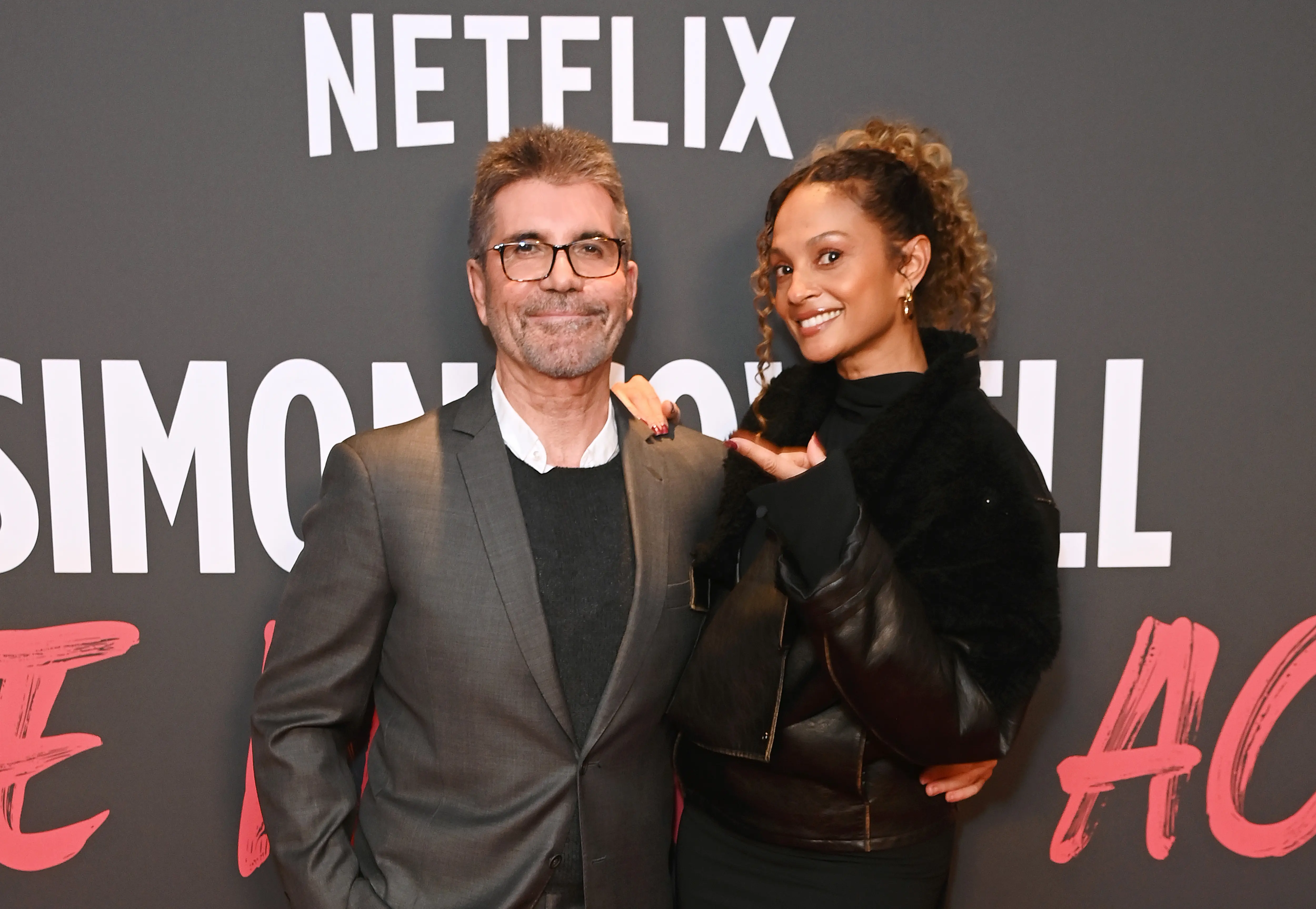 Simon Cowell and Alesha Dixon attend a friends and family celebration for docuseries "Simon Cowell: The Next Act" hosted by Simon Cowell (Image via Getty)
The return of Pete Waterman to a major television platform has drawn renewed attention to the long trail of disputes, public clashes, and industry rifts that have followed him across four decades in British pop.
As Simon Cowell: The Next Act arrives on Netflix, Waterman’s prominent role in helping Simon Cowell shape a new boy band has placed his past squarely back in the public eye.
Since this show marks Cowell’s biggest music TV move after The X Factor, bringing in Waterman has got fans and insiders thinking back on the drama that surrounded him before.
Waterman’s history and disputes framed against Simon Cowell: The Next Act
Pete Waterman’s legacy is inseparable from Stock Aitken Waterman, the powerhouse trio behind global pop hits of the 1980s and 1990s.
Their catalogue includes Kylie Minogue’s “I Should Be So Lucky,” Rick Astley’s “Never Gonna Give You Up,” and Bananarama’s “Love in the First Degree.”
Between them, the group has sold 500 million records and collected nine Ivor Novello Awards. Waterman’s influence on the era is undisputed.
Yet his re-entry into the spotlight through Simon Cowell: The Next Act has reopened the archive of conflict surrounding his long career.
One of the earliest and most public controversies stemmed from Waterman’s long-running dispute with Kylie Minogue.
Waterman once complained that Kylie had “almost bankrupt[ed]” his production company due to the royalties owed following the success of “I Should Be So Lucky.”
At the same time, Stock, Aitken, and Waterman admitted they “were working so hard writing songs six or seven hours a day in the studio that [they’d] never seen Neighbours,” and had not initially grasped Kylie’s growing global stature.
Kylie later recalled her first encounter with the trio.
“On my first day, they were like: ‘Oh god, there’s wotsername, that girl from Australia. Quick, write a song!’ It took just 10 minutes. They would send me out of the studio so they could write another verse.”
She said she felt “out of place and unwelcome” in those early sessions. That fractured relationship escalated in 2005, when Kylie sued Waterman’s company, PAL Productions, alleging she was underpaid by more than 10 percent for royalties tied to her 1992 Greatest Hits album.
She pursued damages of £443,000; the company later paid a portion of the amount.
Waterman also clashed with his own partners. In 1999, Mike Stock and Matt Aitken sued him over the ownership of rights to recordings produced under PAL Productions.
They alleged Waterman had sold rights to major artists, including Kylie and Jason Donovan, without their consent.
The case got resolved without trial - yet the conflict highlighted a pattern in his work ties: partnerships falling apart.
His more recent controversies extend beyond business matters. In early 2025, Waterman criticised Sabrina Carpenter in an interview with The Sun, saying,
“To see Sabrina Carpenter dressed as a little girl is quite offensive. She doesn't need that. She's got great talent, and yet the whole of the industry, these girls come out in as little as possible because they know they're driving young boys to their websites.”
He added, “It's just crazy. If you're asking to be respected, don't come on in a G-string,” and dismissed her lyrics as “lazy.”
Carpenter seemed to respond indirectly in The Sun on Sunday:
“Female artists have been shamed forever. In the noughties, it was Rihanna, in the nineties it was Britney Spears, in the eighties, it was Madonna, and now it's me. It's essentially saying that female performers should not be able to embrace their sexuality in their lyrics, in the way we dress, in the way we perform.”
She continued, “They just want to talk about the sexual side of my performances,” before concluding,
“And to that I just say, don't come to the show, and that's OK.”
Against this backdrop, Waterman now appears in Simon Cowell: The Next Act, where he joins Cowell in evaluating contestants and participating in the selection of the series’ new boy band.
The show, which follows Cowell’s search from open casting calls through boot-camp stages and into final selection, positions Waterman as one of the veteran eyes guiding the process.
His presence is unmistakable across the six-episode series, marking his most visible role on a major global platform since his Pop Idol days.
Cowell has long emphasised his desire to restore the vitality of British pop by discovering emerging performers. In the series trailer, he says,
“As much as I love my job on TV, I miss where I started, signing artists and working with bands. There is a massive opportunity. I am going to find a new boy band.”
Cowell acknowledges the stakes plainly:
“There’s a huge risk here. If this goes wrong, it will be ‘Simon Cowell has lost it.’”
Stay tuned for more updates.
TOPICS: Simon Cowell: The next act, Simon Cowell
- Simon Cowell: The Next Act's 'fresh talent' claim questioned after contestant's past TV appearance resurfaces
- Inside Simon Cowell: The Next Act — How Payne's passing reshaped the Netflix series
- Who are the members of the new band in Simon Cowell: The Next Act? Details explored
- Inside the high-stakes boy band search of Simon Cowell: The Next Act: Pressure, perfection, and the fight for stardom