
Who is Dr. Theo Rabari on Chicago Med? Everything to know about the character
-
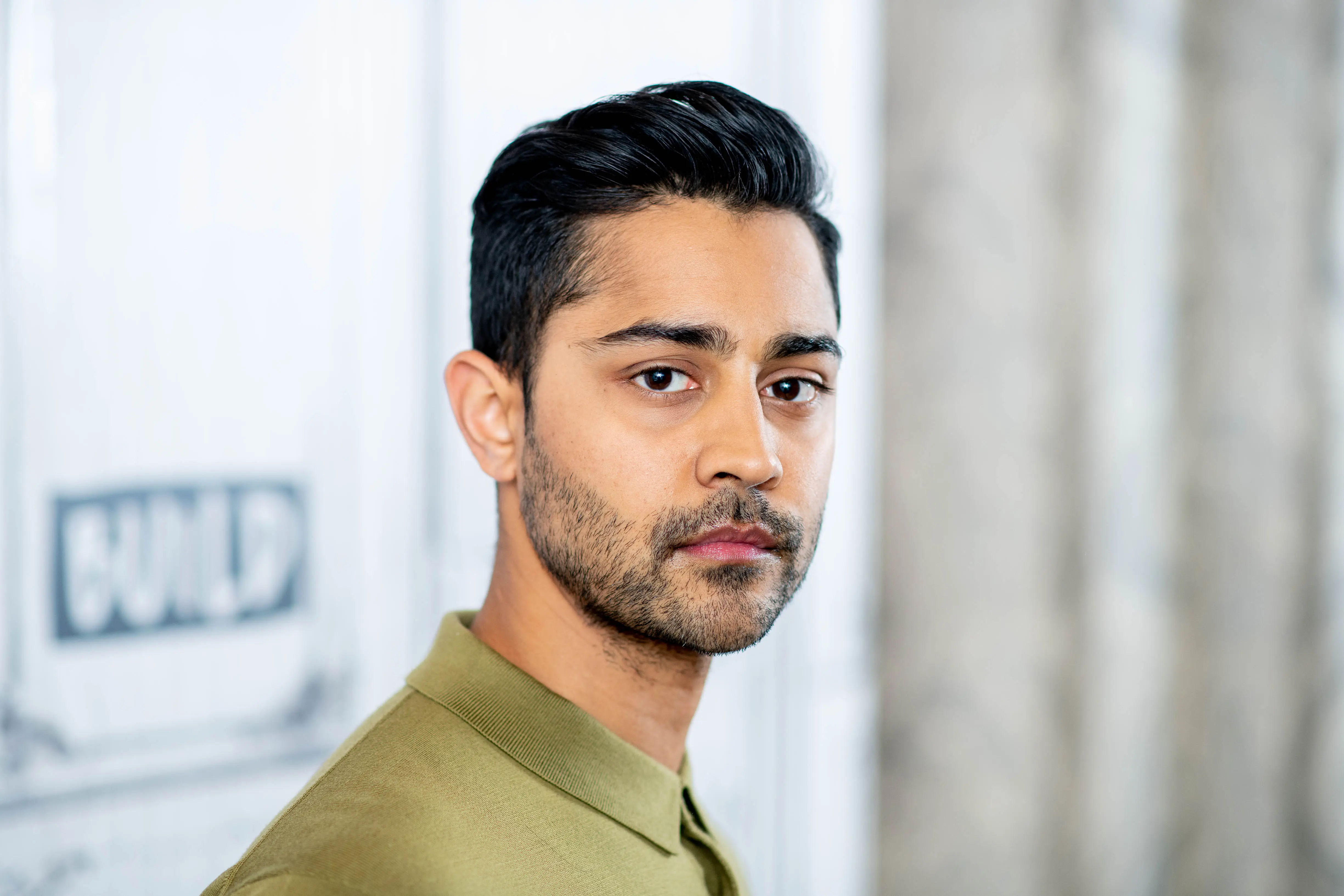 Actor Manish Dayal (Photo by Getty Images)
Season 11 of Chicago Med introduces a compelling new presence with Dr. Theo Rabari, played by Manish Dayal. The bright, tech-driven psychiatrist makes his debut in episode 4, arriving at Gaffney Chicago Medical Center with fresh ideas that immediately spark conversation among the staff.
Known for his work in The Resident, Dayal steps back into the medical-drama world with a character who brings a blend of ambition, innovation, and curiosity to the series. Dr. Rabari’s arrival signals a shifting landscape within the hospital. His research interests and professional approach set the stage for new dynamics in the psychiatry department.
While the full scope of his role in Season 11 remains to be seen, his introduction positions him as a figure who could influence both medical practice and character relationships moving forward.
Dr. Theo Rabari's major storyline on Chicago Med so far
Dr. Theo Rabari enters Chicago Med in Season 11, Episode 4, as a psychiatrist with a bold vision. He arrives at Gaffney to present a new research proposal centered on fMRI technology. Theo thinks that functional MRIs can transform psychiatry.
The argument is that brain scans can reduce guesswork, speed up diagnoses, and bring more scientific precision to mental-health treatment. It immediately catches the attention of the hospital board. It also creates friction with Dr. Daniel Charles.
Dr. Charles is troubled by Theo’s stance. He feels Theo undervalues human connection. He worries that technology could replace empathy. Their first meeting is tense. Theo defends his work as progress. Charles sees it as a threat to the heart of psychiatry. Their disagreement sets the foundation for Theo’s early arc.
Theo’s approach is tested when a patient named Lionel Blake arrives. Lionel has amputated his own hand due to intrusive thoughts about harming others. Lionel refuses reattachment. He believes he is dangerous. Dr. Charles suspects a severe form of OCD. He wants to help Lionel understand that he is not a violent person. Theo’s research becomes the missing piece. Charles brings him in to use the fMRI as a diagnostic tool.
The scan reveals the truth behind Lionel’s compulsions. It confirms that Lionel’s fear comes from anxiety, not intent. Theo’s technology provides physical evidence that the patient can accept. Lionel reconsiders surgery. He agrees to have his hand reattached. This success shifts the dynamic between Theo and Charles. The case becomes proof that innovation and empathy can work together.
Afterward, Theo checks in with Charles. He admits he had overlooked parts of psychiatry. He acknowledges he is learning. Charles softens. He says he is not opposed to technology. He only wants it used to support patients, not replace care. Their conversation becomes a turning point.
Charles invites Theo to continue his research at Gaffney. It is a major step forward for Theo. It suggests the hospital is open to his ideas. It also hints at a developing partnership between the two psychiatrists. Theo’s early storyline focuses on his shift from an outsider with radical ideas to a collaborator with something valuable to offer. As season 11 continues, his future at Gaffney remains open, but his impact is already clear.
About Manish Dayal, the actor who plays Dr. Theo Rabari
Manish Dayal is an Indian-American actor known for his versatility across television and film. He rose to prominence as Dr. Devon Pravesh on The Resident, a role he played for six seasons, cementing his place in the medical-drama genre.
Dayal has also appeared in major projects such as The Hundred-Foot Journey, Viceroy’s House, and Netflix’s Holidate. On television, he has taken on roles in Agents of S.H.I.E.L.D., Halt and Catch Fire, 90210, and The Walking Dead: Daryl Dixon, where he played Ash Patel.
Catch Chicago Med on NBC on Wednesdays.
TOPICS: Chicago Med
- What role did Mekia Cox play on Chicago Med? Everything to know about her character
- What happened before the fall break in Chicago Med season 11? A quick throwback before the series returns
- Who is Ava Bekker on Chicago Med? Everything to know about the character
- Why is there no new episode of Chicago Med this week? Everything to know