
Muon Space wins $1.9M contract to develop infrared missile-tracking payload
-
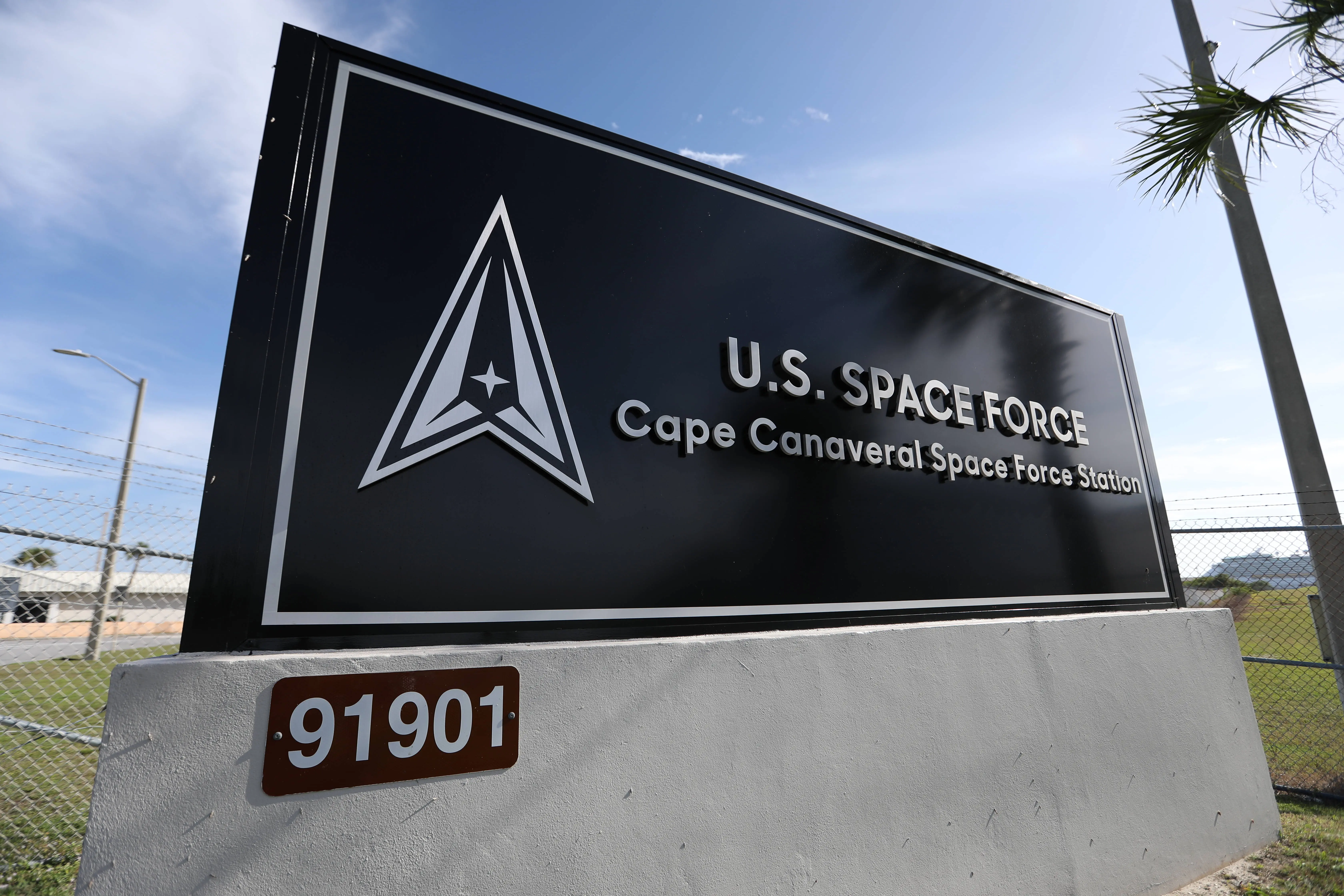 A view of SpaceX and U.S. Space Force compound (Image via Getty)
SpaceNews reports that Muon Space received a $1.9 million Small Business Innovation Research (SBIR) Direct to Phase 2 contract from SpaceWERX, the technology arm of the U.S. Space Force.
The company will use the funding to develop an infrared sensing payload for missile detection and tracking. The work supports the Space Development Agency’s Tracking Layer program, a planned network of satellites in low Earth orbit designed to detect and track advanced missile threats.
According to Muon Space, the payload will use a high-sensitivity version of its multispectral electro-optical infrared system.
The design builds on the company’s Quickbeam scanning method, which was first created for thermal detection. Muon Space CEO Jonny Dyer said the award “validates our approach of adapting proven commercial space technology for critical defense applications.”
Although the announcement was released this week, the contract was originally issued during the summer and was not affected by the SBIR authorization lapse that began on September 30.
The award adds to the company’s recent defense work. Earlier this year, the Space Force funded a $44.6 million project for Muon Space to demonstrate its thermal imaging system for environmental and weather monitoring.
Tracking Layer contract and project goals
The new SBIR contract supports the Space Development Agency as it builds the Tracking Layer, a satellite system meant to provide constant detection and tracking of missile activity.
Muon Space will deliver a prototype payload that expands its commercial sensing technology for military use. Paula Trimble, the company’s vice president of government affairs and strategy, said the project is a “critical step in evaluating alignment of Muon’s technology with the future missile warning and missile tracking architecture.”
The Quickbeam scanning method, which forms the base of the new payload, was originally created for thermal detection in environmental missions. Jonny Dyer noted that the company aims to apply the same method for defense needs, saying the contract helps show that “commercial platforms can support national security missions.”
Under this contract, Muon Space will produce a high-sensitivity version of its existing electro-optical infrared payload. The goal is to match the performance levels needed for SDA’s Tracking Layer tranches.
The company will move directly to prototype development because the Direct to Phase 2 path allows work to start without an initial feasibility study. The Space Force will evaluate how the payload fits into future satellite programs as development continues.
Growing defense work and environmental missions
The new contract adds to Muon Space’s expanding work with U.S. defense organizations. Earlier this year, the Space Force awarded the company $44.6 million to demonstrate its Quickbeam thermal imaging system.
That project focuses on environmental and weather imaging from orbit. The company also works with the Earth Fire Alliance on the FireSat constellation, which aims to detect wildfires and other events in low Earth orbit.
A Muon spokesperson said the partnership helps explore “ways commercial systems could support both civil and defense needs.”
The Space Force is reviewing whether commercial thermal sensing systems like FireSat may help fill parts of the missile warning or environmental monitoring mission. In recent tests, Muon Space demonstrated detection of smaller fires that were not seen by other satellites.
These capabilities, while designed for environmental response, allow the Space Force to study how commercial tools might support national security programs.
With the new SBIR award, Muon Space continues to adapt its commercial designs for government missions. The company is based in Mountain View, California, and plans to build additional payloads as part of its long-term strategy. The U.S. Space Force and the SDA will assess the results as Muon Space moves through the prototype phase.
________________________________________________________
Stay tuned for more updates.TOPICS: Astronomy, Missile, Muon Space, Small Business Innovation Research, SpaceWERX
- ‘Galactic Brain’ initiative seeks to move high-demand AI processing off Earth and into space
- Supermassive black hole unleashes ultra-fast winds moving at 20% the speed of light
- Soyuz crew departs space station after completing eight-month mission
- Astronomers spot a brown dwarf and huge exoplanet in Subaru telescope’s first discoveries